
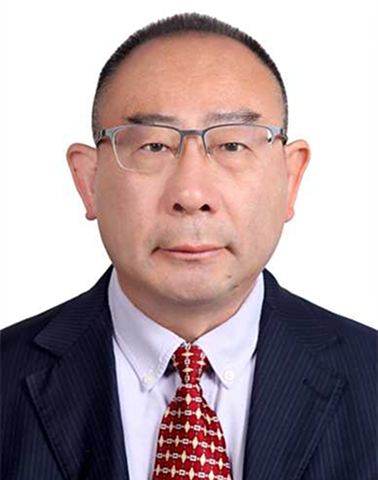
Yang Weicai was born on February 14, 1964, in Jiulongpo, Chongqing. He is a plant developmental biologist, Academician of the Chinese Academy of Sciences (CAS), and Academician of The World Academy of Sciences for the Advancement of Science in Developing Countries (TWAS). Currently, he serves as Chief Scientist of Yazhou Bay National Laboratory, Researcher at the Institute of Genetics and Developmental Biology (IGDB) of the Chinese Academy of Sciences, and President of the Chinese Genetic Society, among other positions. He has long been committed to research on the molecular genetics of plant reproductive development, achieving systematic breakthroughs in fields such as embryo sac development regulation, pollen tube guidance, and double fertilization mechanisms. His research outcomes have provided important theoretical support for innovations in agricultural breeding technology.
Education and Career Trajectory
From 1980 to 1987, Yang Weicai completed his undergraduate and master’s studies consecutively at the Department of Biology, Lanzhou University. In 1994, he obtained a doctoral degree in molecular biology from Wageningen University in the Netherlands. Subsequently, he conducted postdoctoral research in the Netherlands, the United States, and Singapore, and served as a Senior Scientist at the Temasek Life Sciences Laboratory in Singapore from 2000 to 2002. In 2003, he returned to China and joined the Institute of Genetics and Developmental Biology of the Chinese Academy of Sciences. He was selected into the CAS "Hundred Talents Program" and received support from the National Science Fund for Distinguished Young Scholars. He once served as Director of the Institute of Genetics and Developmental Biology (2017-2023). In 2021, he was elected as an Academician of the Chinese Academy of Sciences, and in 2023, he was elected as an Academician of The World Academy of Sciences for the Advancement of Science in Developing Countries (TWAS).
Yang Weicai advocates for the close integration of basic research with agricultural applications. At the 2025 International Conference of Yangtze University, he proposed that in the future, it is necessary to leverage multi-omics technologies and gene-editing tools to promote the transformation of crop breeding from "experience-driven" to "intelligent design" in order to address global food security challenges. His team’s research has not only revealed the fundamental laws of plant reproduction but also laid a theoretical foundation for technological breakthroughs in hybrid breeding, apomixis, and other fields.